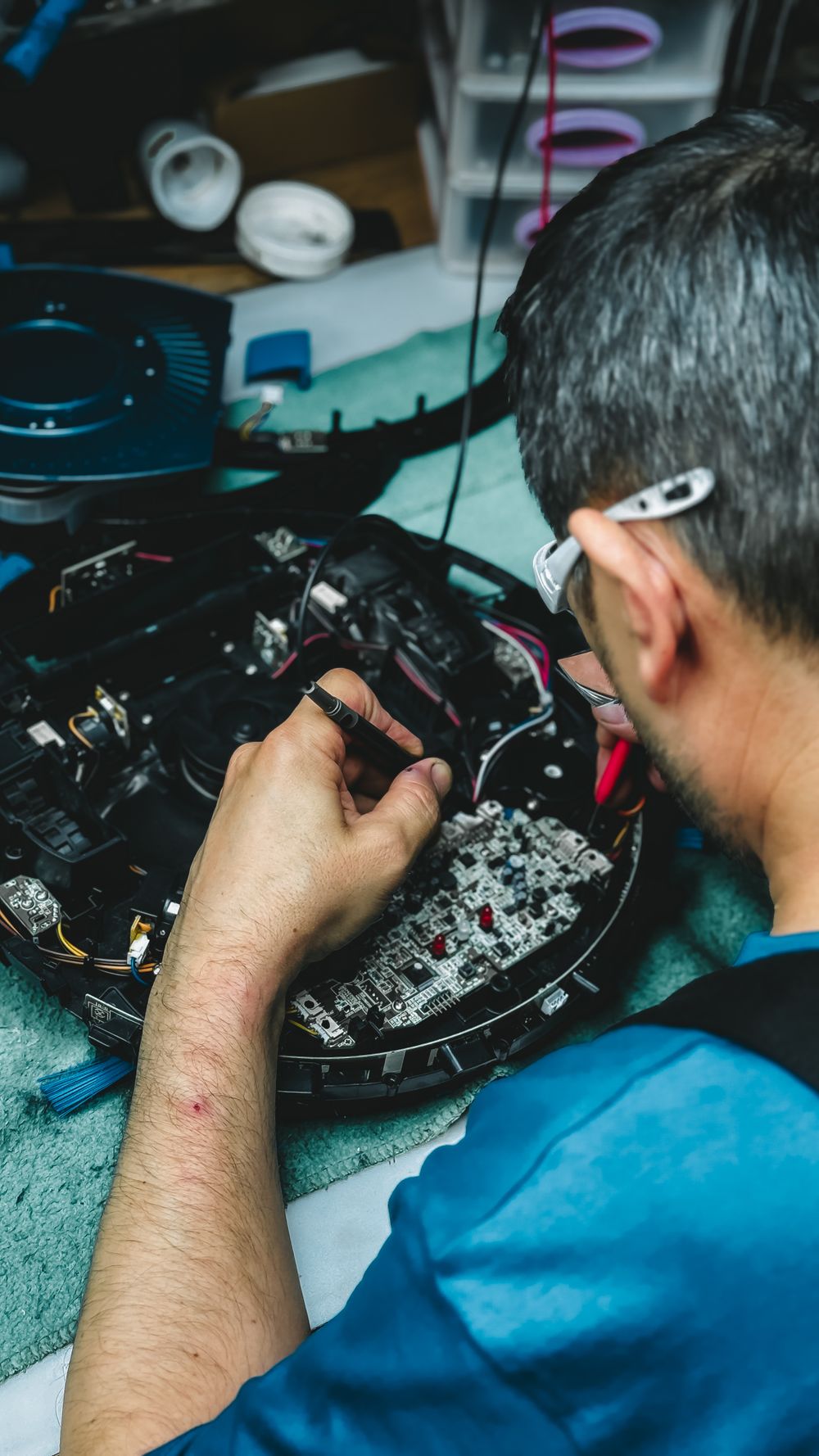
Programmable Logic Controller repair
We repair CPU modules, digital and analog I/O cards, communication modules and power supply units across all common PLC families. Typical faults include dead or non-communicating CPUs, blown output channels, corrupted memory, and power supply failures.
Each unit is inspected, tested under simulated load, and returned with the original program and configuration intact wherever recoverable.
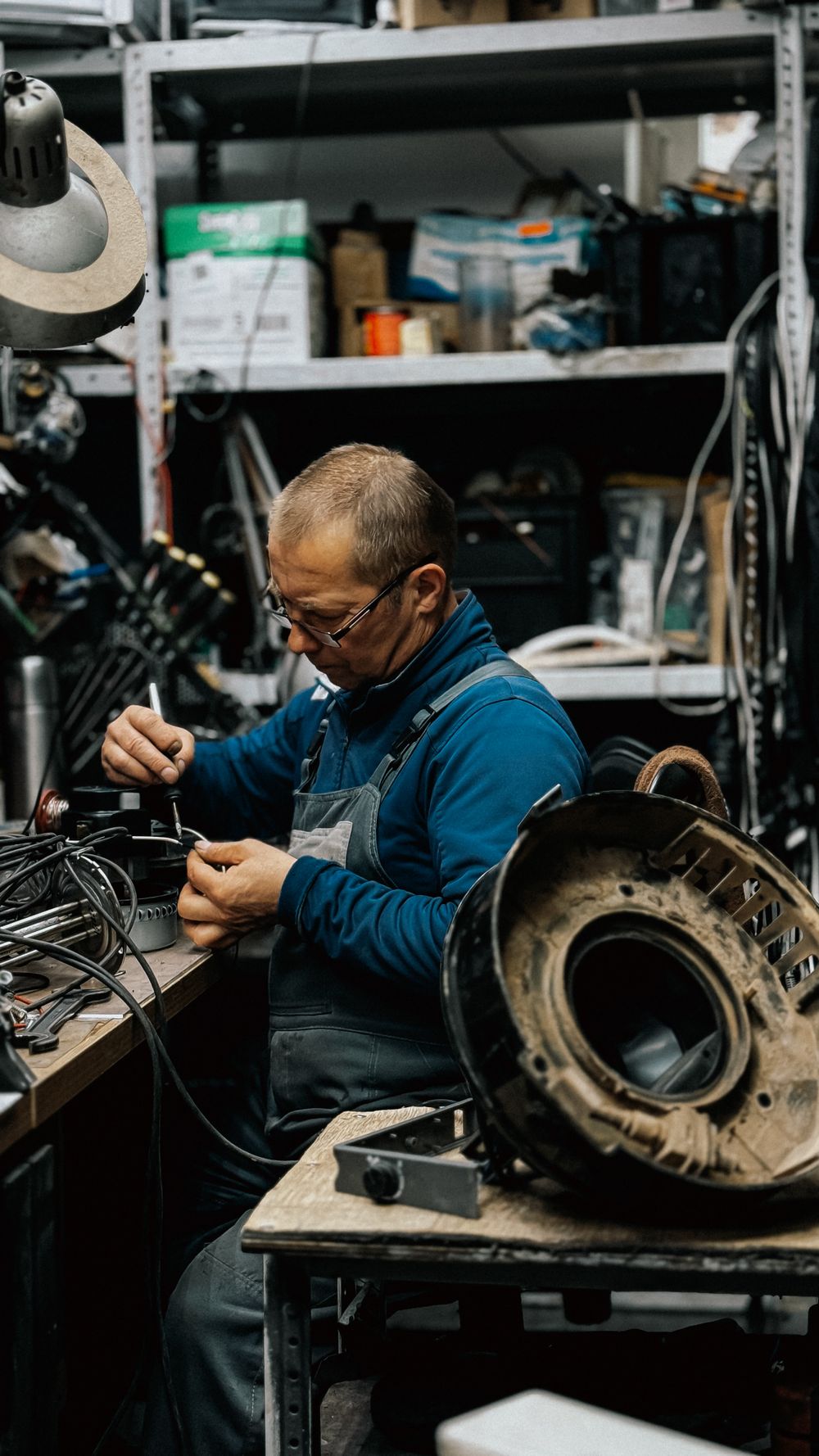
Variable Frequency Drive repair
Our bench handles IGBT module failures, rectifier bridge faults, blown capacitors, control-board faults and fault-code diagnostics on VFDs of all ratings. Where an IGBT or power module has failed, we replace at component level rather than the full power stage where possible.
Every repaired drive is run through a load test to confirm stable output before it's cleared for dispatch.
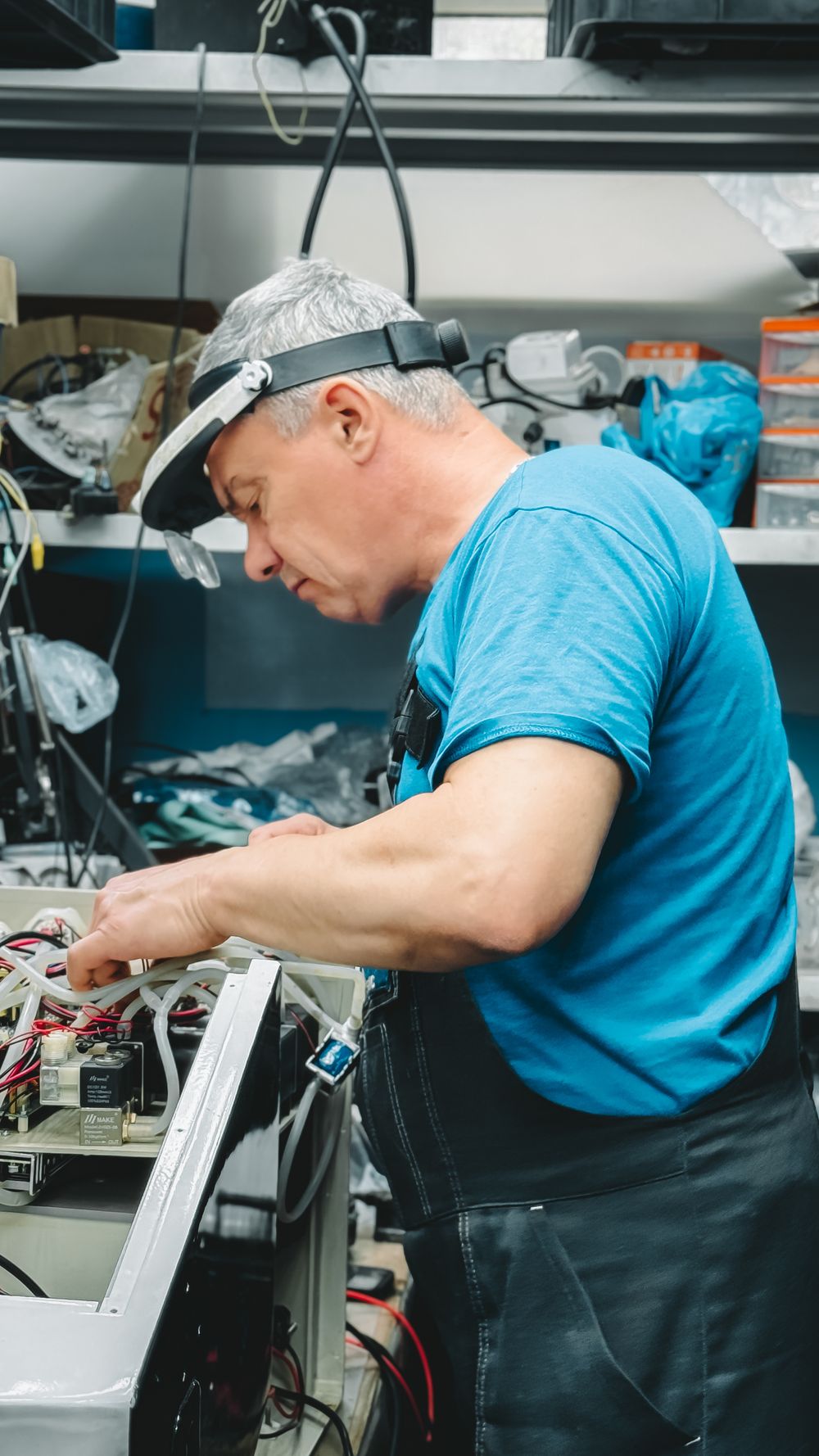
AC and DC motor drive repair
Motor drives are tested under simulated load rather than power-on checks alone, so faults that only show up under running conditions get caught before the unit goes back to your panel. This covers thyristor and SCR faults on DC drives, and inverter-stage faults on AC drives.
We also handle firmware and parameter recovery where a drive has lost its configuration after a power event.
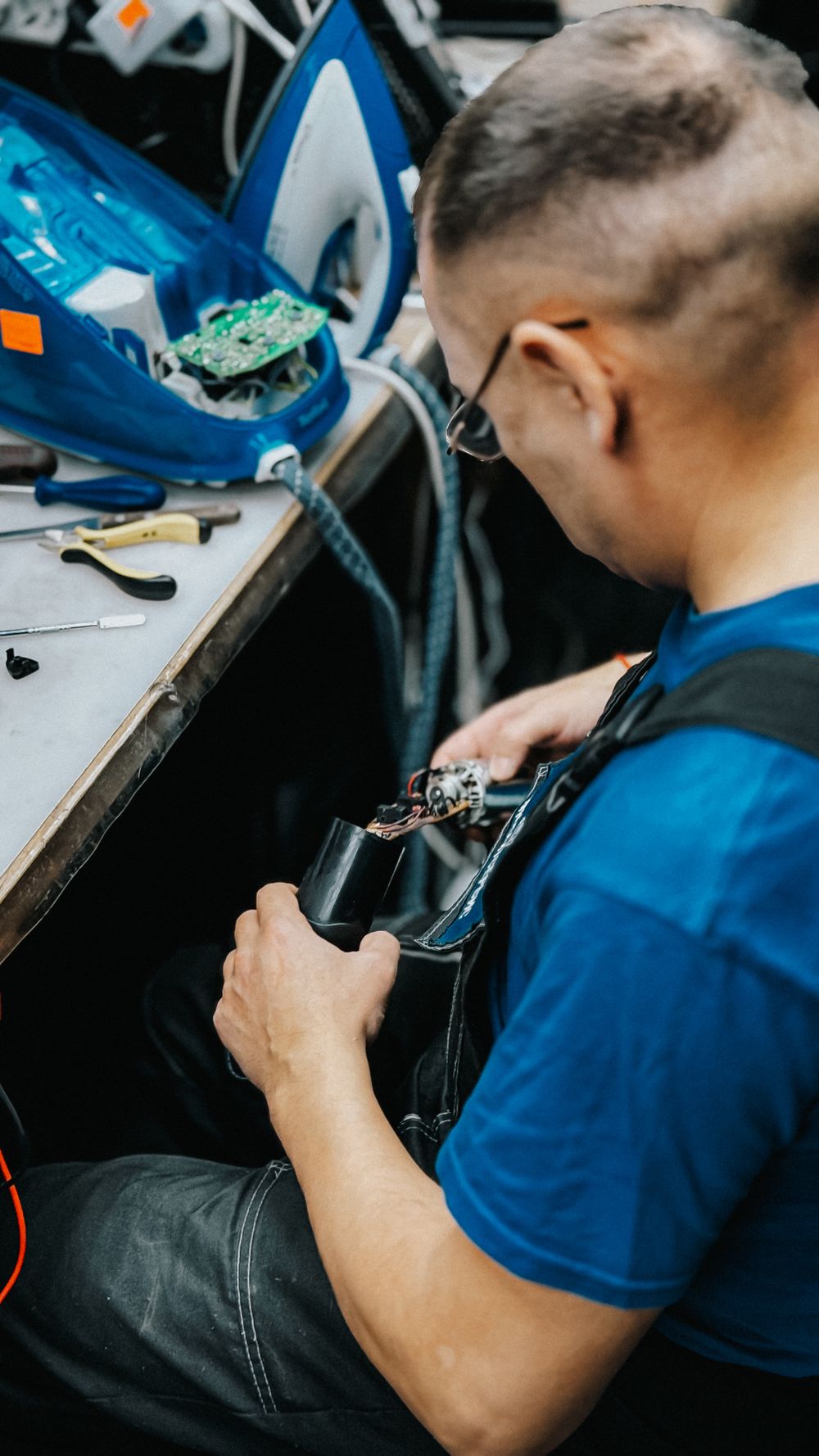
Human-Machine Interface repair
Touch-panel and display faults are among the most common HMI failures we see — unresponsive touch zones, dim or dead backlights, screen burn, and communication faults with the connected PLC. We repair at both the touch-digitiser and control-board level.
Where a panel is beyond economical repair, we'll tell you plainly rather than run up a bill on a unit that won't hold.
Motor soft starter repair
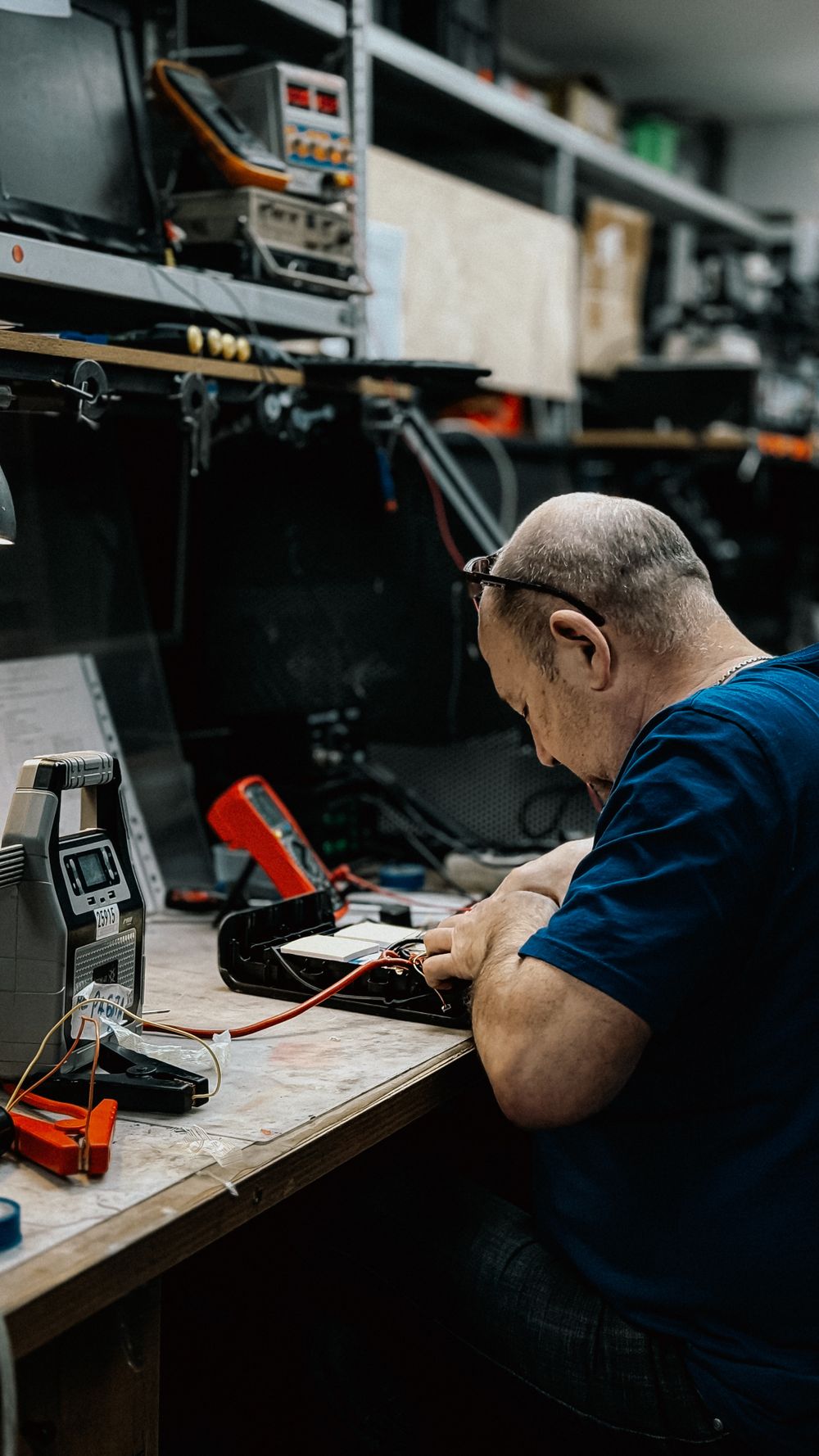
We repair SCR and thyristor bank failures, control-logic board faults, and bypass-contactor circuit issues on motor soft starters. A soft starter that's lost its ramp control usually points to a specific thyristor pair or firing-circuit fault — we isolate and confirm it before replacing anything.
Units are bench-tested against a load bank to confirm a clean, controlled start before they're returned.
Control card & custom PCB repair
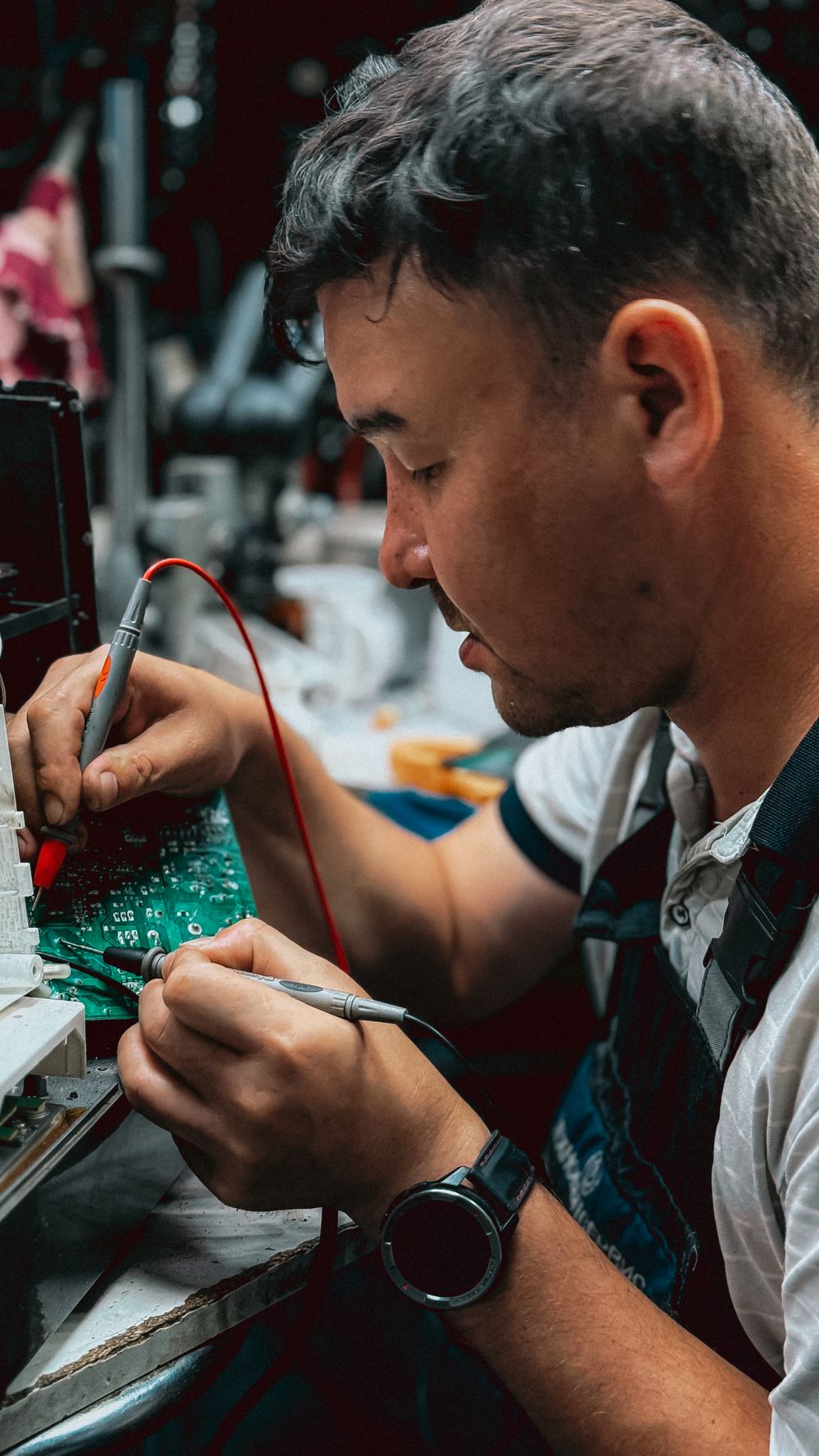
Beyond the standard device categories, we trace and repair firing cards, driver boards, feedback cards and other custom control PCBs used inside automation panels. This is trace-level fault finding: continuity checks, component testing, and replacement of the specific failed part rather than the whole card.
If you're not sure which category your board falls under, send a photo on WhatsApp and we'll tell you what we can do with it.